

Commercial Construction Best Practices for Successful Projects


Building success through proven commercial construction practices
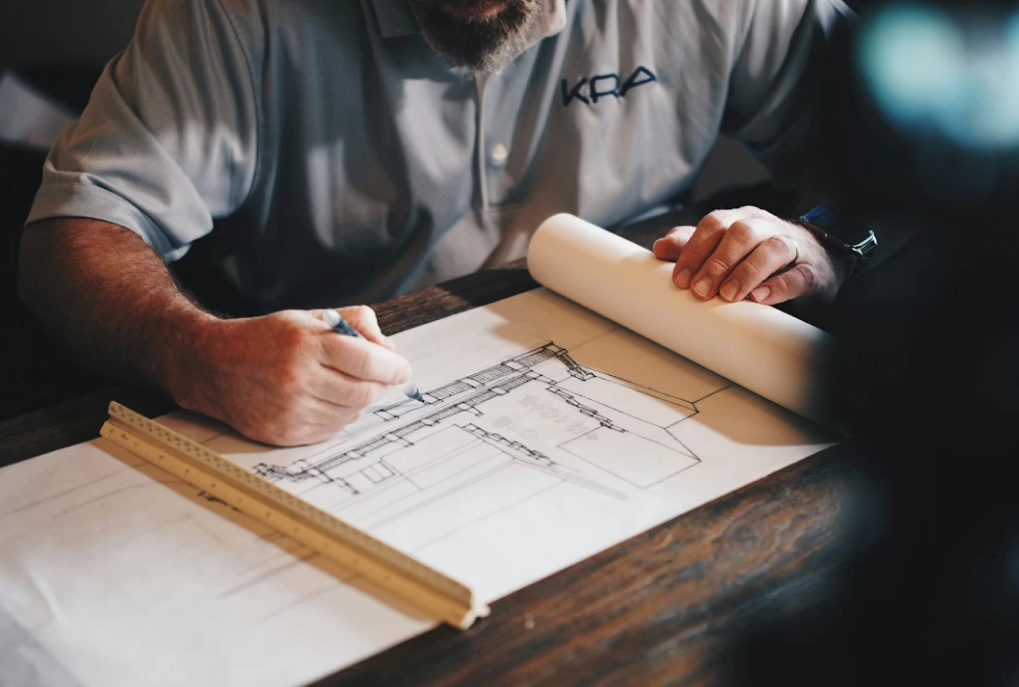
A commercial construction firm managing multiple large-scale projects faced challenges with coordination, cost overruns, and inconsistent quality across sites. Without standardized practices, teams struggled to maintain timelines and meet client expectations. By implementing best practices such as clear planning frameworks, strong stakeholder communication, and disciplined quality control, the company brought structure to every phase of construction.
Our commercial construction specialists assess project planning, contractor coordination, risk management, and compliance requirements to deliver practical solutions that support reliable execution and successful commercial builds.
Strategic construction practices that improve efficiency, reduce risk, and deliver consistent results
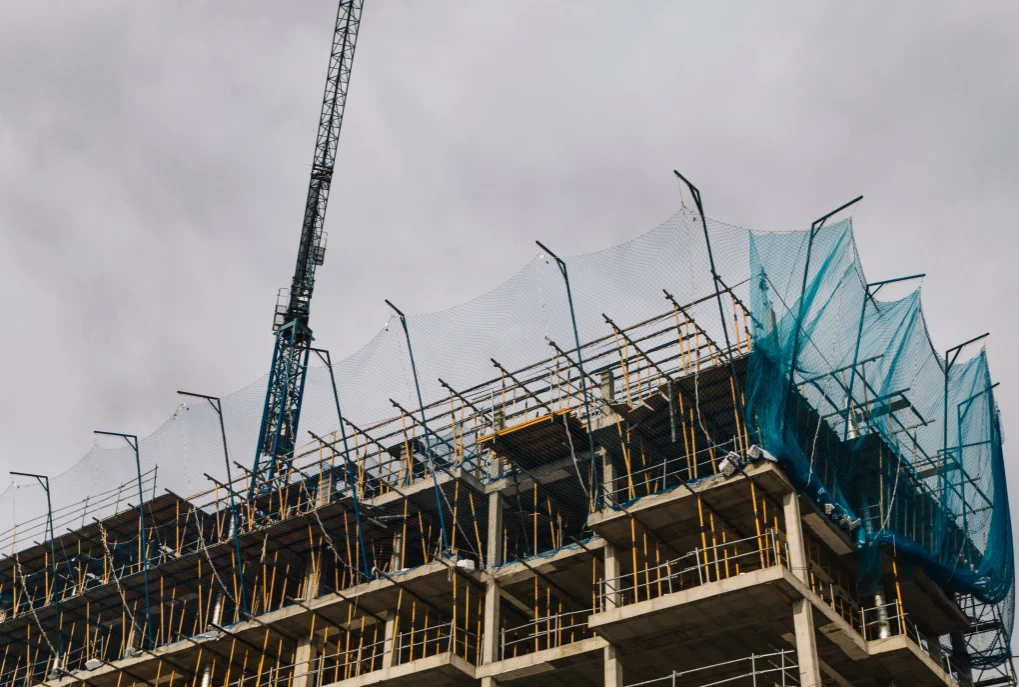
Commercial construction projects often involve complex requirements, multiple stakeholders, and strict regulations that affect schedules, safety, and budgets. Without best practices in place, these challenges can lead to delays, cost overruns, and performance issues. Applying structured construction methods helps maintain control and clarity throughout the project lifecycle.
Effective commercial construction management enables teams to streamline workflows, uphold safety standards, and achieve dependable outcomes. With disciplined planning and execution, projects benefit from smoother delivery, stronger coordination, and long-term operational value.
Delivering reliable outcomes through proven commercial construction strategies
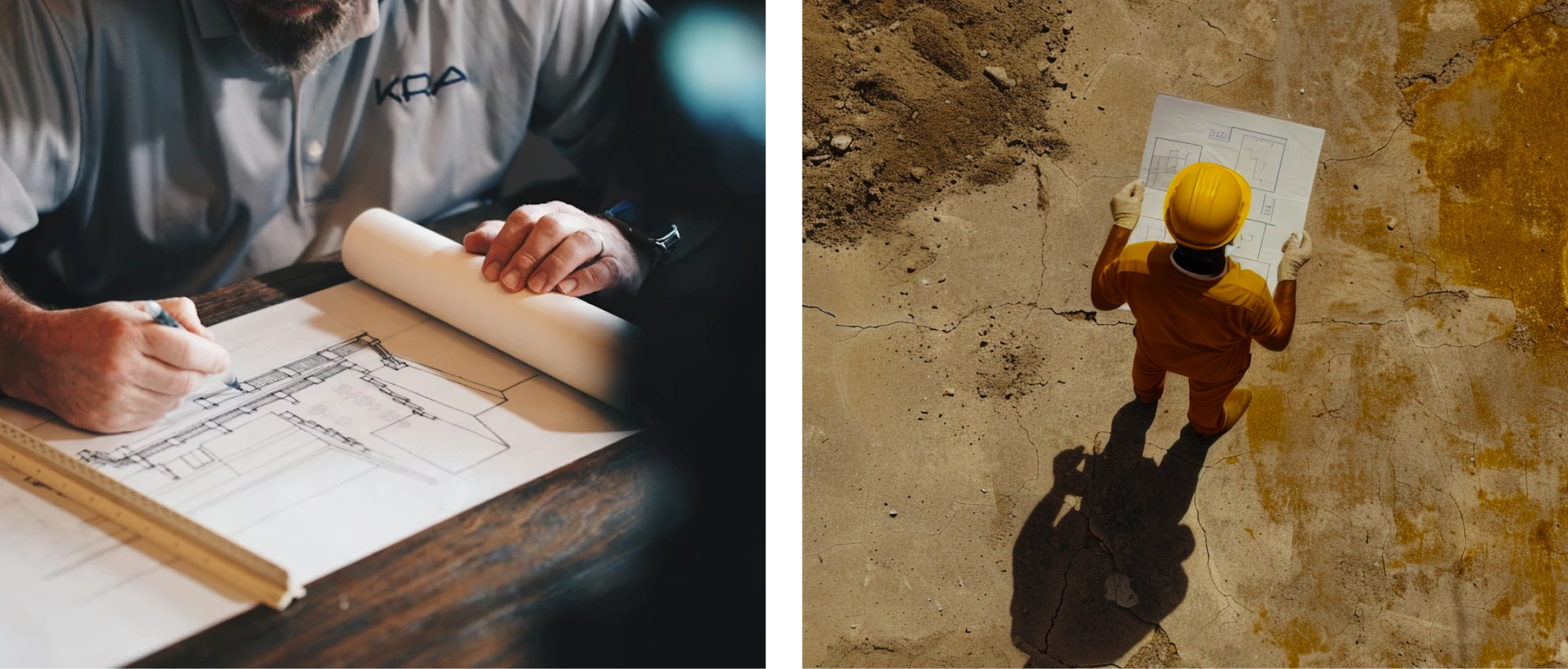
A mid-sized commercial builder faced scheduling conflicts, coordination challenges, and rising operational costs. By implementing best practices, strengthening communication, and refining construction workflows, the team improved efficiency, reduced disruptions, and enhanced project oversight. Within months, delivery timelines stabilized, coordination improved, and stakeholder confidence increased noticeably.
- Unclear project scope and objectives at the planning stage
- Weak coordination between contractors, vendors, and stakeholders
- Inconsistent quality control across different project sites
- Poor cost estimation and budget monitoring processes
- Delays caused by reactive rather than proactive project management